

Waste Management in India: 88 Sq Km of Land Could Be Needed for Landfills by 2050
- CLIMATE & NATURE
 Life&More
- June 26, 2017
- 0
- 10 minutes read

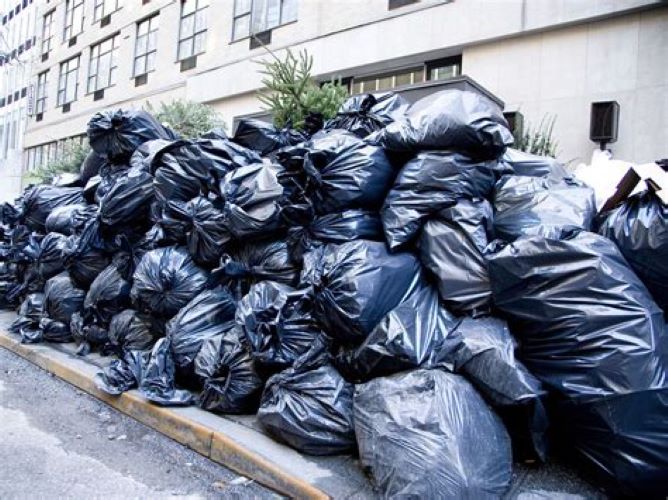
India’s growing waste crisis is becoming a major environmental challenge. According to a joint study by ASSOCHAM and global consulting firm PricewaterhouseCoopers, the country may require nearly 88 square kilometres of land for landfill waste disposal by 2050 if current waste management practices continue.
The report, titled Waste Management in India: Shifting Gears, warns that most waste in India is still dumped without treatment. If this trend continues, the land required for waste disposal would be equivalent to the total area administered by the New Delhi Municipal Council.
Landfills Could Render Land Unusable for Decades
The study notes that land used for waste dumping through landfilling becomes unsuitable for other purposes for a long time.
According to the report, such land may remain unusable for up to 50 years before it can be stabilised and repurposed. This makes landfill-based waste disposal a serious concern in a country where land resources are already under pressure.
Rapid Urbanisation Driving Waste Generation
The report highlights that increasing urbanisation will significantly contribute to the rise in waste generation.
By 2050, nearly 50% of India’s population is expected to live in urban areas, which will lead to a steady increase in municipal waste. The volume of waste generation is expected to grow at an average rate of 5% annually.
Projected waste generation figures are alarming:
-
2021: 101 million metric tonnes (MMT) per year
-
2031: 164 MMT per year
-
2050: 436 MMT per year
Class I Cities Generate Majority of Waste
The study further reveals that Class I cities in India — those with populations ranging from 0.1 million to five million — generate nearly 80% of the country’s total municipal waste.
Per capita waste generation is also rising steadily. Currently:
-
Medium cities generate 300–400 grams per person per day
-
Large cities generate 400–600 grams per person per day
With changing consumption patterns and rising urban lifestyles, these numbers are expected to increase further.
Environmental and Economic Impact of Poor Waste Management
Improper waste management has far-reaching consequences for both the environment and the economy.
Poorly managed waste leads to air pollution, water contamination and soil degradation, creating serious environmental hazards. In addition, long-term exposure to such pollution can result in major public health risks.
The report also highlights that ineffective waste management can negatively impact economic growth by increasing environmental damage and healthcare costs.
Key Challenges in India’s Waste Management System
The study identifies several structural and institutional challenges responsible for the current waste management crisis in India:
-
Lack of proper waste management planning
-
Complex institutional frameworks
-
Limited capacity to adopt modern waste treatment technologies
-
Financial constraints faced by urban local bodies (ULBs)
-
Weak implementation of waste management policies
Need for Greater Private Sector Participation
The report emphasises that the private sector can play a significant role in improving waste management in India. However, several barriers continue to limit private participation.
These challenges include regulatory hurdles, financing constraints, lack of project planning and structuring, technology gaps and insufficient operational capacity.
Policy Recommendations for Better Waste Management
To address these issues, the ASSOCHAM–PwC report recommends that the government grant industry status to the waste management sector. Such a move could encourage greater investment, innovation and regulatory oversight.
The study also suggests the creation of a dedicated monitoring and compliance mechanism to ensure effective implementation of waste management policies and sustainable practices.
Strengthening the sector with better governance, technology and funding could help India move towards a more efficient and environmentally responsible waste management system.
