

Plastic Recycling Codes Explained: Which Plastics Are Safe to Use?
- CLIMATE & NATURE
 Life&More
- 1
- 13 minutes read

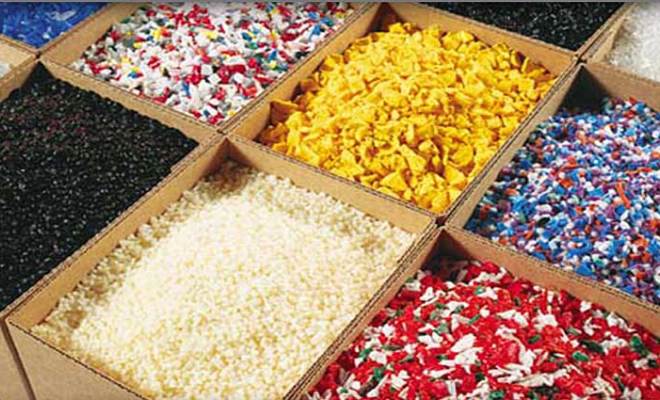
Plastic has become an inseparable part of our daily lives. From food containers and toys to cosmetics packaging and kitchen utensils, plastic is everywhere. However, not all plastics are safe for health or the environment.
While completely eliminating plastic from our lives may not be practical, understanding plastic recycling codes can help you choose safer options for your family and reduce environmental impact.
Most plastic products carry a recycling code printed on the bottom, which identifies the type of plastic used. Understanding these codes helps you decide whether a plastic item is safe to reuse or not.
Below is a simple guide to the seven types of plastics and their safety levels.
Type 1: Polyethylene Terephthalate (PET)
PET plastic is lightweight, transparent and smooth. It is commonly used for packaging beverages and food products.
Common Uses
-
Water bottles
-
Juice bottles
-
Salad dressing containers
-
Vegetable oil bottles
-
Peanut butter and pickle jars
Safety Level:
PET plastic is designed for single use only and should not be reused, as repeated use may increase the risk of chemical leaching.
Type 2: High-Density Polyethylene (HDPE)
HDPE plastic is considered one of the safer plastic options because it does not contain harmful chemicals like bisphenol A (BPA) or phthalates.
Common Uses
-
Milk containers
-
Detergent bottles
-
Freezer bags
-
Plastic grocery bags
Safety Level:
HDPE is safe and can be reused.
Type 3: Polyvinyl Chloride (PVC)
PVC plastic contains chemicals called phthalates, which may cause reproductive and developmental problems in both humans and animals.
PVC can exist in two forms:
-
Plasticized PVC – flexible and clear
-
Unplasticized PVC – rigid and hard
Common Uses
-
Fruit juice bottles
-
Cooking oil bottles
-
PVC pipes and siding
Safety Level:
PVC is not safe and should not be reused.
Type 4: Low-Density Polyethylene (LDPE)
LDPE plastic is flexible and resistant to chemicals and solvents. It does not contain any known harmful chemicals.
Common Uses
-
Frozen food packaging
-
Condiment squeeze bottles
-
Plastic wraps and bags
Safety Level:
LDPE is safe and can be reused.
Type 5: Polypropylene (PP)
Polypropylene plastic is strong, flexible and heat-resistant. It does not easily leach harmful chemicals so is used in food containers.
Common Uses
-
Yogurt containers
-
Medicine bottles
-
Ketchup bottles
-
Food storage containers
Safety Level:
PP is safe tio reuse.
Type 6: Polystyrene (PS)
Disposable products use Polystyrene plastic. However, its production involves benzene, a chemical known to be carcinogenic.
Common Uses
-
Foam insulation
-
Disposable cups
-
Plastic toys
Safety Level:
PS is unsafe.
Type 7: Polycarbonate and Other Plastics (PC)
Type 7 plastics often contain bisphenol A (BPA), a chemical that can leach into food or beverages stored in the container.
Common Uses
-
Water cooler bottles
-
Hard plastic water bottles
-
Takeaway coffee mugs
Although durable and shatter-resistant, these plastics may pose health risks.
Safety Level:
Type 7 plastics are not safe for reuse.
Why Understanding Plastic Codes Matters
Knowing the plastic recycling symbols helps you make safer choices for your health and the environment. Whenever possible, prefer reusable glass, stainless steel, or BPA-free alternatives for storing food and beverages.
By becoming aware of the different types of plastics, you can reduce harmful exposure and contribute to a cleaner, healthier planet.
