

Earthquake Safety Tips: How to Stay Safe Before, During and After an Earthquake
- CLIMATE & NATURE
 Life&More
- 0
- 10 minutes read

Team L&M
Earthquake can strike anywhere and at any time, often without warning. Because earthquakes are difficult to predict, the best way to stay safe is to be prepared in advance and know how to respond when the ground begins to shake. Following basic safety precautions can help reduce injuries and save lives.
Here are some essential earthquake safety tips to help you stay prepared and protected.
1. Prepare an Emergency Safety Kit at Home
Every household should maintain a basic emergency preparedness kit in case of a sudden earthquake. Keep the following items easily accessible at home:
-
Fire extinguisher
-
First aid kit
-
Battery-powered radio
-
Flashlight
-
Extra batteries
It is also important to learn how to switch off gas, water and electricity supplies in your home. This knowledge can prevent fires, leaks and further damage after an earthquake.
Being prepared with the right tools and information can make a significant difference during emergencies.
2. What to Do If You Are Indoors During an Earthquake
If an earthquake occurs while you are inside a building, remember the safety principle: Drop, Cover and Hold On.
-
Drop down to the ground immediately.
-
Take cover under a sturdy table, desk, or bed and stay there until the shaking stops.
-
If no shelter is nearby, cover your face and head with your arms and crouch in an interior corner of the building.
You can also protect yourself by standing under the lintel of an inner doorway or in the corner of a room.
Stay away from:
-
Glass windows
-
Outside doors and walls
-
Heavy furniture or light fixtures that may fall
Research shows that many injuries occur when people try to run outside or move around during the shaking. Staying protected where you are is often the safest choice.
3. What to Do If You Are Outdoors
If you are outside when an earthquake strikes:
-
Move away from buildings, trees, streetlights and utility wires.
-
Try to reach an open area as quickly as possible.
Most earthquake-related injuries outdoors occur due to falling debris, collapsing walls, flying glass and other objects. Staying in a clear open space reduces the risk.
4. What to Do If You Are in a Vehicle
If you are driving during an earthquake:
-
Stop the vehicle safely as soon as possible.
-
Remain inside the vehicle until the shaking stops.
Avoid stopping:
-
Near buildings
-
Under trees
-
Near electricity or cable wires
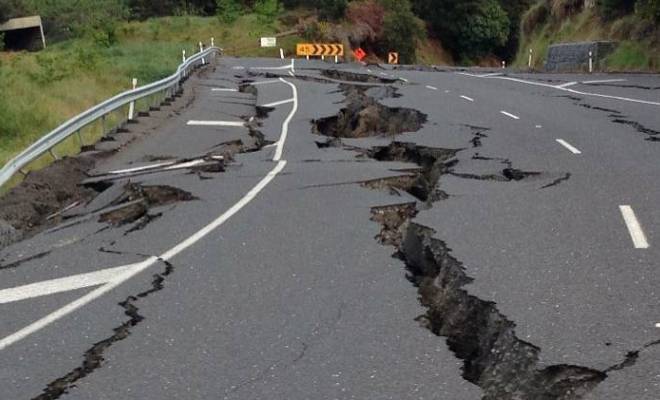
Once the shaking ends, drive carefully and avoid roads, bridges or ramps that may have been damaged during the earthquake.
5. What to Do If You Are Trapped Under Debris
If you become trapped under debris after an earthquake:
-
Do not light a match, as gas leaks may be present.
-
Avoid unnecessary movement that could stir up dust.
-
Cover your mouth with a handkerchief or piece of clothing to avoid inhaling dust.
To alert rescuers:
-
Tap on a pipe or wall.
-
Use a whistle if available.
Shouting should be used only as a last resort, as it may cause you to inhale large amounts of dust.
Final Thought
Preparedness and awareness are the most effective ways to reduce the impact of an earthquake emergency. By knowing what to do before, during and after an earthquake, individuals and families can significantly improve their chances of staying safe.
