

Is Dhurandhar Really Propaganda? An Open Letter to Its Critics

Rajkumari Sharma Tankha
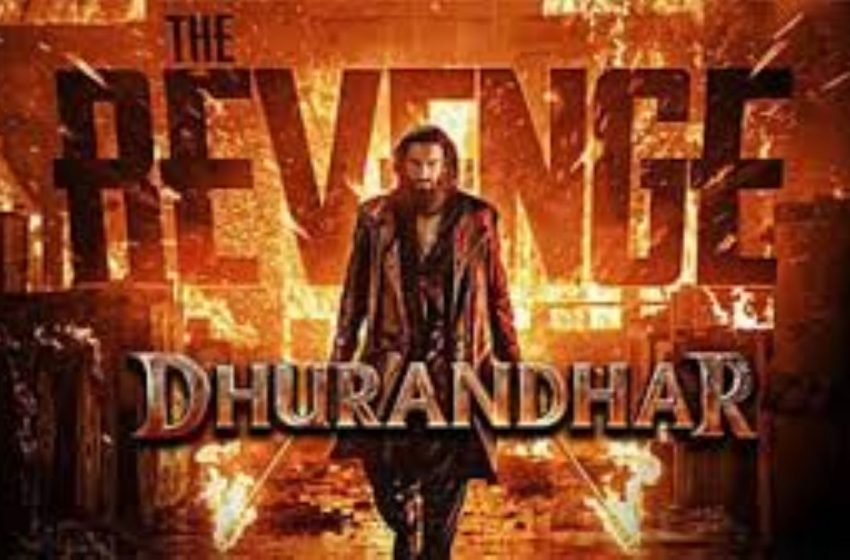
So, I finally watched Dhurandhar: The Revenge earlier this week. Despite having loved the first part, I didn’t rush for a first-day, first-show viewing. Why? Simply because I’m not obsessive about films—I prefer to watch them at my own pace and time.
However, when I saw voices like Arfa Khanum Sherwani strongly criticising the film, I felt compelled to see it for myself. I ended up catching a 9 a.m. show on a working day—purely because no later tickets were available. Given the intensity of the backlash against the film and its makers, I was genuinely curious to understand what had unsettled its detractors so deeply.
Having now watched it, I find myself genuinely puzzled. What exactly are Ms Sherwani and others of her persuasion so upset about? The truth?
I, for one, deeply appreciate filmmaker Aditya Dhar and his team for taking a clear stand in portraying India’s security forces and the difficult decisions taken to safeguard civilians. Such films, though necessary, remain far too rare.
To those who are quick to dismiss and shame Dhurandhar 1&2, I write this not in anger, but in genuine confusion—and perhaps a bit of concern—about the way this film is being labelled and attacked.
You call it propaganda. I ask you, sincerely: Which part of the film feels like propaganda to you?
Is it the brief moment where the Prime Minister Narendra Modi appears on a television screen announcing demonetisation? That’s not glorification—that’s reality. Millions of Indians experienced that exact moment in the same way: through their TV screens, in their homes, trying to make sense of a sudden, historic decision.
Or is it the film’s core narrative that unsettles you?
Because at its heart, Dhurandhar is about India’s intelligence services—about people working quietly, often invisibly, to protect the country. It shows them preventing terror attacks, countering threats, and making difficult choices in the interest of national security. Is acknowledging that reality now considered propaganda?
We cannot pretend that the threats depicted are fictional. The 26/11 Mumbai attacks happened. Pathankot happened. Pahalgam happened. These are not cinematic inventions; they are painful chapters of our collective memory. A film choosing to confront that reality head-on should not automatically be dismissed as politically motivated.
What feels troubling is not criticism itself—criticism is essential in any healthy democracy. What feels troubling is the immediate tendency to discredit, to shame, and to label without engaging with the substance of the story.
Cinema has long explored narratives of victimhood, conflict, and identity from multiple angles. That space must remain open. But it must also allow for stories that reflect national security concerns, institutional efforts, and uncomfortable truths—even if they don’t align with a particular worldview.
And let’s also acknowledge something important: audiences today are not passive. People are watching, thinking, and forming their own opinions. If many viewers are resonating with Dhurandhar, it doesn’t automatically make them naive or misled. It simply means they are seeing something that speaks to their understanding of reality.
We are no longer in a time when a single narrative dominates. Information flows freely, perspectives collide, and people decide for themselves what they believe.
So instead of dismissing the film—and those who appreciate it—perhaps we can have a more honest conversation. Not about labels, but about content. Not about assumptions, but about evidence.
If you still believe Dhurandhar is propaganda, explain why. Point to the scenes. Break down the narrative. Let’s discuss it with clarity, not contempt.
Because in the end, disagreement is not the problem. The inability to engage with each other respectfully is.
— An open letter asking for a fair conversation
