

Firecracker Ban in Delhi-NCR: Is It the Right Way to Tackle Air Pollution?

Rajkumari Sharma Tankha
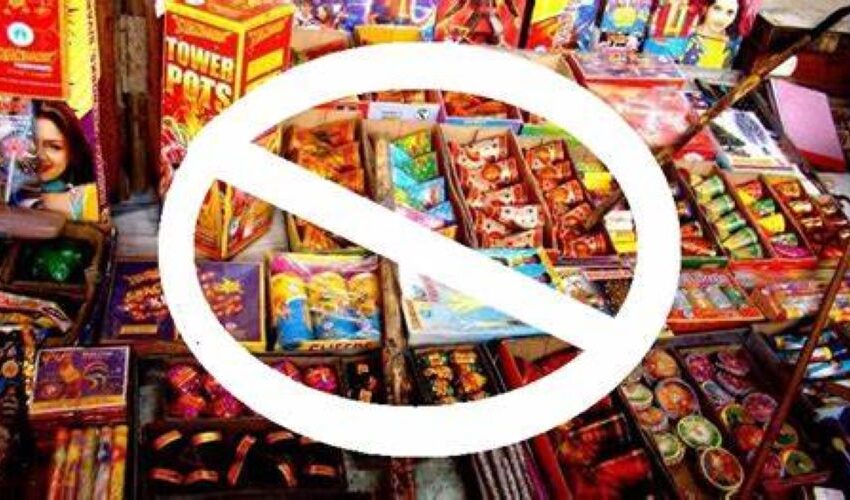
The ban on the sale of firecrackers in Delhi-NCR has come too close to Diwali, making it quite difficult to implement—especially since production has already been completed. A huge amount of money has already been invested by shopkeepers, and such a last-minute decision will deal a severe financial blow to them. The question remains—who will compensate for these losses?
Diwali Traditions vs Sudden Policy Decisions
Coming so close to the biggest Hindu festival, the ban does not seem like a well-timed decision. Firecrackers have been an integral part of Diwali celebrations for generations.
Over the past decade, however, people have gradually reduced the use of firecrackers, largely due to awareness created in schools. Children today are more conscious about the harmful effects of chemicals released into the air.
But imposing a sudden ban may trigger the opposite reaction. When it comes to religion and beliefs, even the most rational individuals can react strongly. There is a real possibility that people who had voluntarily reduced cracker usage may now resort to bursting even more.
Should Production Have Been Banned Earlier?
If the Supreme Court (SC) was truly concerned about the environment, the focus should have been on banning the production of firecrackers much earlier—perhaps through a suo motu action.
This would have prevented financial losses for traders and retailers. In fact, a long-term solution lies in restricting the production of crackers that emit harmful gases. This is where government authorities must step in.
A Temporary Ban: Does It Solve the Problem?
The current ban is only till October 31. But does air pollution disappear after that? Will the air suddenly become clean on November 1? The logic appears questionable.
It is also difficult to understand the objectivity of the order when firecrackers are used during multiple occasions—Guru Purab, Christmas, New Year’s Eve, weddings, parties, and even sports celebrations. Shouldn’t the same rules apply across all such events?
The Bigger Causes of Air Pollution in Delhi
What about the rising number of vehicles, especially diesel ones, in the National Capital? What about the 8,000 tonnes of solid waste generated daily in Delhi, along with industrial and hospital waste?
Have adequate measures been taken to treat waste, control emissions, or regulate generators?
If these major contributors to air pollution are not addressed, can a short-term ban on firecrackers alone bring significant change?
Why Only Delhi-NCR?
Another concern is the geographical limitation of the ban. Why restrict it only to Delhi-NCR? Delhi shares borders with Haryana, Uttar Pradesh, and Rajasthan.
Firecrackers can easily be purchased from neighbouring states and used within Delhi. If that happens, wouldn’t it defeat the very purpose of the ban?
A Holistic Approach Is Needed
There is no denying that firecrackers contribute to air pollution—but they are only one part of a much larger problem.
The major contributors include vehicular emissions, industrial pollution, burning of garbage and crop residue, and excessive use of generators. Unless strict action is taken against all these factors, banning firecrackers in one region and for a limited period will have minimal impact.
A comprehensive, long-term strategy is the need of the hour—not just symbolic measures.
