

Harinder Baweja on Kargil: Untold Soldier Stories from the Frontlines of War

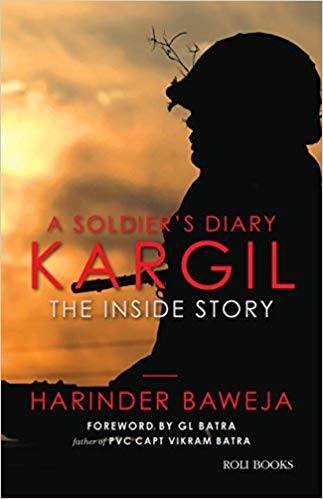
With less than 48 hours to go for the 19th anniversary of Kargil Vijay Diwas (July 26),
www.lifeandmore.in Founder-Editor Rajkumari Sharma Tankha talks to Harinder Baweja,
editor at The Hindustan Times, on her book, A Soldier’s Diary: Kargil, The Inside Story (Roli Books) which has been republished recently. The senior journalist says India still has not focussed
on the many lessons it ought to have learnt during the 60-day war…
How and when did you plan to write this book on the Kargil War?
I spent two months in Kargil covering the Kargil War for India Today, where I was working at the time. When I returned to Delhi, I realised I was deeply disturbed. Most of us in the media had covered the war from the road-head, but the actual battles were taking place on the heights.
One evening, I stood with an army unit waiting for the bodies of their men. When they arrived, I saw soldiers struggling to identify their own comrades — many bodies were unrecognisable and could only be identified through numbers. That moment stayed with me.
Questions kept troubling me: What was really happening on the heights? What were soldiers enduring? I needed answers. So I returned to Kargil after the war ended, when units had the time to share their experiences. That is when the idea of the Kargil War book truly took shape.
Why Was the Book Republished After Two Decades?
First released in 2000, the book has now been republished because it remains a significant part of India’s military history. It offers an inside account of what really happened during the conflict.
The new edition includes an introduction that examines an important question: What lessons did India learn from the Kargil War? Even after nearly two decades, many of those lessons remain unaddressed.
Did Journalism Help in Accessing Confidential War Information?
I had been covering the Kashmir insurgency since 1990. Many of the battalions deployed in Kargil came from the Kashmir Valley. I already knew several officers and soldiers, which helped build trust.
At the end of the day, a journalist is only as good as their sources.
Could Better Handling of the Kargil Conflict Have Saved Lives?
The book highlights the confusion during the initial weeks of the war. Senior commanders underestimated the situation, believing intruders could be pushed back quickly. Even then Defence Minister George Fernandes echoed similar confidence.
In reality, India had been caught off guard. Pakistani forces had already occupied strategic heights and fortified positions even before Prime Minister Atal Bihari Vajpayee undertook his historic Lahore visit.
The responsibility for the mishandling, in my view, lay with the senior military leadership.
What Was It Like Reporting from a War Zone Like Drass?
I have reported from multiple conflict zones. I began my career covering militancy in Punjab and made frequent trips to Kashmir. Going to Kargil, including Drass, was a natural progression.
There were moments of real fear. Artillery shells often landed close by, and Pakistani forces dominated the heights, constantly targeting the roads. Looking back, it is surprising that the media suffered minimal casualties.
Why Did You Choose a Diary Format for the Book?
For me, the Kargil story was about the soldiers — not the media. Many journalists wrote books from their own perspectives, but I wanted to tell the story through the voices of the soldiers themselves.
After spending weeks with different battalions, a soldier’s diary format felt like the most authentic way to present their experiences.
How Did You Manage Time to Write the Book?
Writing a book requires discipline and clarity. Before I began, I ensured I had strong content — including access to confidential files that revealed the true story of Kargil.
On a personal level, writing was cathartic. After witnessing injured and fallen soldiers, I struggled to sleep. The unanswered questions haunted me until I found clarity.
I took three months off and committed to writing at least 2,000 words a day.
How Do You View Competition in Today’s Publishing World?
When my book was released, it was among the last on Kargil. I wasn’t focused on competition — my priority was content.
I believe the book resonated because of its unique format and its authentic, first-person narrative from a soldier’s perspective.
Did You Ever Experience Writer’s Block?
There are always difficult days, but discipline helps. Having supportive friends also makes a difference.
Do You Maintain a Personal Diary?
No, I don’t maintain a daily diary.
What Inspires You to Write?
There isn’t any one source of inspiration or a specific method I follow.
Best Advice You’ve Received?
“You know you can do it.”
What Are You Reading Currently?
I am currently reading Educated: A Memoir by Tara Westover — a powerful account of a young girl who overcomes immense challenges to pursue education and earn a PhD from Cambridge University.
