

How to Manage Type 2 Diabetes During Summer: Expert Tips by Dietician Sheela Seharawat

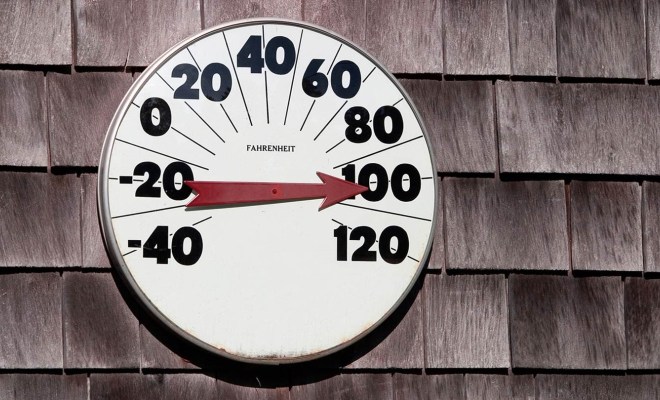
Summer is a time when many people suffer from illnesses and health complications due to heat waves and high humidity. For individuals living with type 2 diabetes, the risks can be even higher. Hot weather can lead to dehydration, heat exhaustion, and foot problems, making it important for diabetes patients to take extra precautions.
Noted dietician Sheela Seharawat shares practical advice on how to keep diabetes under control during the summer months.
How Summer Heat Affects Blood Sugar Levels
Excessive heat during summer can disrupt blood sugar levels. Factors such as what you eat, your hydration level, and your physical activity can influence glucose levels in the body. High temperatures combined with physical activity can cause excessive sweating, which may lead to dehydration.
When dehydration occurs, blood glucose levels can rise, causing frequent urination and further loss of body fluids. For people who rely on insulin, dehydration may also reduce blood supply to the skin, leading to reduced absorption of injected insulin.
Special Care for Diabetic Patients in Summer
During summer, people with diabetes must be particularly careful about hydration, diet, and foot care.
Diabetic patients should always wear proper footwear and ensure that their feet remain clean, dry, and free from sores or infections, as foot injuries can lead to serious complications.
It is also advisable to avoid alcohol and excessive caffeine, as these beverages can deplete body fluids and worsen dehydration. Drinking plenty of water is the best way to stay hydrated and maintain stable blood sugar levels.
Tips to Manage Diabetes in Summer
Here are some practical tips to help manage diabetes during the summer months:
1. Drink Plenty of Water
Summer heat increases thirst and sweating. For people with type 2 diabetes, dehydration can cause serious health problems. Always carry a bottle of water and drink regularly throughout the day.
2. Adjust Insulin if Necessary
Consult your healthcare provider or diabetes educator about insulin adjustments before exercising, especially during hot weather. Proper guidance can help maintain balanced blood sugar levels.
3. Monitor Blood Sugar Frequently
High temperatures can cause fluctuations in glucose levels. Therefore, it is important to check blood sugar more frequently during summer to prevent sudden spikes or drops.
4. Be Prepared for Low Blood Sugar
Summer heat and increased activity may sometimes lead to low blood sugar levels (hypoglycemia). Carry glucose tablets, candies, or a glucagon kit in case your blood sugar drops unexpectedly.
5. Eat Small and Frequent Meals
Instead of three heavy meals, divide your diet into five or six smaller meals throughout the day. This helps maintain stable blood sugar levels. Drinking water after meals can also help maintain hydration.
6. Protect Your Diabetes Supplies
Heat can damage glucose meters, insulin, and testing strips. Always store these supplies in a cool and dry place and keep them away from direct sunlight.
Expert Advice
According to Sheela Seharawat, a well-known nutrition expert and founder of Diet Clinic, which runs a chain of diet clinics across India, proper hydration, regular monitoring of blood sugar, and mindful eating habits can help diabetes patients stay healthy during the summer months.
The Bottom Line
Managing type 2 diabetes in summer requires extra attention to hydration, diet, and lifestyle habits. By following these simple precautions, diabetic patients can avoid heat-related complications and maintain stable blood sugar levels even during the hottest months of the year.
